
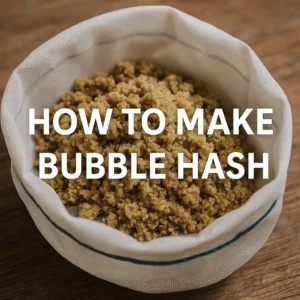
How to Make Bubble Hash
How to Make Bubble Hash: The Complete, Straight-Up Guide
If you’re here for how to make bubble hash, you want a clean, repeatable process that delivers fragrant, melty resin without gimmicks. This guide covers everything you actually need to know—what bubble hash is, how it differs from other concentrates, what bubble hash bags do, the exact steps from first wash to final cure, common mistakes, and a few smart comparisons so you can taste where bubble sits next to traditional pressed hashes. Along the way we’ll answer the questions people actually type—“how do I make bubble hash,” “how to make weed hash with ice water,” “what is bubble hash,” and even the shorthand folks use like hash bubble or bubble bags hash—so you have one reference you can come back to.
What is bubble hash?
Bubble hash is a solventless concentrate made by mechanically removing ripe trichome heads from cannabis using ice, water, and gentle agitation, then catching those heads in a stack of micron filter bags. It’s called “bubble” because quality resin bubbles and melts when you heat it gently. The goal is to free the resin glands intact, not grind the plant. When you do it right, you preserve the cultivar’s aroma and flavor with a purity that ranges from excellent to full-melt.
If you’ve only smoked old-world pressed pieces, it helps to taste a classic import—say Afghan Black Hash or the floral Afghan note of Mazar-e-Sharif—then try good bubble. The contrast is immediate: bubble is brighter and terp-forward; Afghan styles lean incense, cocoa, and slow, heavy calm. Both have their place.
Freshly collected resin ready to microplane and air-dry on fine screens.
What you actually need (and what you don’t)
You can make bubble hash on a small budget and scale up only if you love the craft.
-
Material: fresh-frozen (cut and frozen right after harvest) or well-cured flower/trim. Clean input only—no PM, no dust.
-
Water + ice: more than you think; cold keeps trichomes brittle.
-
Buckets: food-grade, at least two.
-
Agitation: a sturdy spoon/paddle and your arms, or a low-speed washing machine designed for hash.
-
Filter stack: a work bag plus a set of bubble hash bags—typical microns are 220 (work), then 160, 120, 90, 73, 45, 25.
-
Drying gear: 25–45µ drying screen, parchment, trays, freezer.
-
Optional refinements: thermometer or IR gun, RO water, insulated tubs, a freeze dryer (the single biggest quality upgrade).
You can skip high-rpm mixers, hot water, or any gadget that promises speed. The formula is cold + gentle + patient.
Micron bags, decoded
Micron numbers are the size of the filter mesh. You’ll nest your bags in a bucket from smallest at the bottom to largest at the top. The wash water drains through the stack, leaving separate piles of resin in each micron.
-
90–120µ often captures the ripest heads on many strains; these cuts tend to melt and taste best.
-
73µ is frequently outstanding—creamy and fragrant.
-
45–25µ can be sandy or greasy depending on cultivar; great for joints and often excellent when pressed to rosin.
-
160µ sometimes gives a pleasant, slightly dirtier “food-grade” collection; sometimes it’s best for edibles.
Every cultivar is different. Keep each micron separate until you’ve dried and tasted them. That way you can save the star cut for smoking and redirect the others to rosin or edibles.
Fresh-frozen vs cured input
-
Fresh-frozen (FF) locks in bright, volatile terpenes and often produces better melt. Keep it frozen until seconds before it hits the bucket.
-
Cured material is easier for beginners and still makes beautiful bubble hash if the buds were dried and handled properly. Make sure it’s not over-dry; ultra-crumbly flower sheds leaf dust.
Regardless of source, the rule is simple: quality in, quality out. Bubble magnifies the good—and the bad.
Temperature is your steering wheel
Trichomes snap off cleanly when they’re brittle—roughly 0–4 °C (32–39 °F) in the slurry. Warmer than that and heads smear; colder than that and huge ice chunks can grind leaf. Use a thermometer. Work fast. If your room runs warm, insulate the bucket and shorten cycles.
Step-by-step: how to make bubble hash
1) Prep and chill
Clean your buckets, paddles, and bags. Rinse the filter bags with cold water. Stack them in your “catch” bucket bottom to top: 25 → 45 → 73 → 90 → 120 → 160. Your separate wash bucket gets the 220µ work bag.
Freeze your trays, cards/spoons, and microplane; cold tools help.
2) Load the work bag
Alternate ice, cannabis, more ice. Don’t cram it; the mix should move easily. A good starting ratio is 1 part cannabis : 1 part ice : 2–3 parts water by volume. Add cold water until everything floats loosely with ice throughout.
3) Agitate—gently
Stir in slow, full circles for 5–10 minutes. Think rolling waves, not whisking. If you use a hash washer, set it to low speed and run a short cycle. Let the slurry settle for 2–3 minutes so the freed heads sink.
4) Drain to the filter stack
Lift the work bag, allow it to drip back into the wash bucket (squeeze lightly if at all), then pour the icy water through your nested micron stack. The resin will settle on each bag.
5) Rinse and collect by micron
Starting with the topmost fine bag (160µ) and working down, partially lift the bag, rinse the patty with ice-cold water to compact it, and collect with a cold spoon or card. Lay each micron’s resin on labeled parchment or a 25–45µ drying screen over a cold tray. If a cut looks green, keep it separate for edibles or rosin.
6) Repeat short washes
Return the work bag to the wash, add more ice, and run two or three shorter rounds (about 5–7 minutes, then 3–5). Early washes are cleaner; later ones chase yield with slightly more contaminant. Label everything by micron and by wash number.
7) Dry thoroughly (this makes or breaks bubble)
Wet resin molds easily if it clumps. Two reliable paths:
-
Freeze dryer (best): Spread thin on lined trays and run a standard cycle. You’ll preserve color, aroma, and melt in under a day.
-
Air-dry (totally viable): Freeze patties for an hour, then microplane or sieve into fine granules onto your drying screens. Dry in a cold, low-humidity room with gentle, indirect airflow for 4–7 days, stirring daily. Properly dried granules feel dry and sandy, not tacky.
Rushing this step is the biggest reason “hash bubble” turns grassy or funky. Patience pays.
8) Cure and store
Once fully dry, decide whether to blend cuts or jar them separately. A light cure of 5–10 days in glass at cool room temperature rounds edges; don’t over-cure or you’ll mute the brightest terps. Store airtight, cool, and dark. For long holds, vacuum-seal and freeze.
When you want a palate check against old-world resin, take a small puff of Hash Amsterdam for a coffeeshop-style profile, or try the smooth, hand-rubbed character of Kashmir Hash. Bubble’s bright, icy separation will stand out immediately.
What quality looks and feels like
Warm a tiny pinch between your fingertips. Good bubble goes slightly greasy and forms a glossy smear. Under gentle flame it bubbles steadily and leaves light residue. Color ranges from blond to light tan; darker isn’t automatically worse, but very green or brown usually means more plant matter. On many cultivars, your 90–120µ and 73µ will be the stars; 45µ can surprise you with flavor even if the melt lags.
Realistic yields (so you’re not chasing ghosts)
Expect 3–6% of starting weight in high-quality hash from fresh-frozen, sometimes higher with resin-monster cultivars and tuned technique. Cured material can land differently depending on age and dryness. Trim washes yield less. The common beginner mistake is to push longer or hotter to “get more,” and end up trading flavor for contaminants. Let the early washes and mid-micron cuts be your pride pieces; keep later pulls for joints, edibles, or pressing.
Pressing bubble hash into rosin (optional)
If you love dabs, press fully dry bubble into rosin. Use a 25µ rosin screen at 160–200 °F (71–93 °C) and light pressure. High-grade 73/90µ will gush fragrant rosin with minimal residue. Lower microns press too, but color deepens and the taste gets heavier. This is a great way to turn your non-full-melt “bubble bags hash” into clean, dab-ready concentrate.

Finished bubble hash—dry, sandy granules that signal a clean, thorough dry.
Troubleshooting the common pain points
It tastes grassy or harsh.
Agitation was too aggressive or too warm. Shorten cycles, add ice, keep the slurry 0–4 °C, and let it rest between rounds.
My patties stay wet and clumpy.
You didn’t break them up or your room is humid. Freeze, microplane finer, dry on 25–45µ screens with gentle airflow. Give it days, not hours.
There’s visible mold.
Toss it. Mold means moisture remained in the core. Next run, microplane thinner granules and extend drying time.
Everything looks green.
Large ice chunks were grinding the flower or your stirring was too hard/long. Use more water, smaller ice, and shorter, gentler cycles.
The yield seems low even though the buds were frosty.
Your cultivar might have smaller heads—make sure you’re keeping 45µ and 25µ fractions. Very old or oxidized material also underperforms.
Bag setups that actually work
A five-bag stack (220 work, then 160/120/73/25) is a perfect start. Add a 90µ bag as you begin chasing premium cuts. If budget is tight, even work + 120 + 73 + 25 teaches all the fundamentals.
When you want to compare bubble’s bright, terp-forward profile with something deeper and silkier for nights in, pair your best cut with a small piece of Black Bombay Hash—you’ll feel the difference in texture and the way the session lands.
Cleanliness and safety
Use food-safe buckets and paddles. Keep pets and hair away. Rinse bags after every run and air-dry completely to prevent mildew. Avoid heavily scented cleaners right before a session; resin takes on odors easily. Gloves help if you’re handling wet resin for long stretches.
Cost vs results
The biggest costs are ice and time. Essentials are inexpensive; the single serious upgrade is a freeze dryer, which makes drying nearly foolproof and preserves color and aroma beautifully. You don’t need it to make excellent bubble hash, but it raises your ceiling once the basics click.
Quick Q&A (the things people actually ask)
What is bubble hash, in one line?
A solventless concentrate made by separating trichomes with ice water and filtering them by size.
How to make weed hash quickly?
Don’t rush. Do short, cold washes; thorough drying is non-negotiable. Speed ruins flavor.
How long should each wash run?
Start with 5–10 minutes, then 5–7, then 3–5. Let the slurry rest a couple minutes between rounds.
Do I need a machine?
No. Hand-stirring is gentle and effective. If you buy a washer, keep it low-speed.
Can I compare bubble to traditional hash for context?
Definitely. Try a small bowl of Afghan Black Hash or Mazar-e-Sharif, then your best 73/90µ bubble. For a hand-rubbed counterpoint, sample Kashmir Hash or a charas-style piece like Nepal Finger Hash. If you want a café-style middle ground, Hash Amsterdam is a great reference.
Bringing it together
Learning how to make bubble hash is mostly about discipline: keep it cold, keep your movement gentle, keep your microns separate, and dry completely. If you remember one sequence, make it this:
-
Cold prep; clean gear; nested bubble hash bags ready.
-
Ice + resinous input + cold water in the work bag—loose enough to move.
-
Short, controlled washes with rests so heads can sink.
-
Careful rinses and clean collections from each micron.
-
Complete drying (freeze dryer or microplaned air-dry).
-
Light cure; cool, airtight storage.
Do that—and stick with it for two or three runs—and your resin will jump from “good” to “this is why people obsess over bubble.” Then, for fun and perspective, pour a quiet nightcap with a traditional press like Afghan Black Hash or Black Bombay Hash. You’ll understand exactly where bubble hash shines, and you’ll have the confidence to answer anyone who asks: how make bubble hash that tastes as good as it smells? Like this.
Ready to Upgrade Your Stash?
Stop gambling on low-grade knock-offs. HashMOM is Canada’s trusted source for authentic imports and premium craft concentrates. Shop our full selection today with fast, discreet shipping.