
How Imported Hash Is Made
How Imported Hash Is Made
Imported hash holds a legendary status in cannabis culture. Long before modern concentrates like shatter or live resin existed, hash was the world’s original cannabis extract — pressed, rolled, and cured by hand in mountain villages and desert farms.
Even today, imported hash remains one of the most popular products in Canada, with buyers drawn to its flavor, texture, and authenticity. But few know how these traditional pieces are actually made. From Afghan hand-pressing to Moroccan dry-sifting, each region has its own time-honored process that gives imported hash its unique character.
This guide breaks down how imported hash is made, what makes it different from modern extracts, and why it continues to dominate the market.
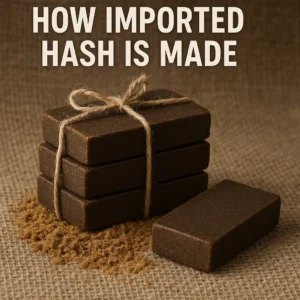
Finished slabs of imported hash ready for curing and export.
The Roots of Imported Hash
Hashish production goes back centuries — historians trace it to regions like Afghanistan, Morocco, Lebanon, and Nepal, where cannabis grows wild and resin collection became part of local culture.
Unlike modern extraction methods that rely on solvents or machinery, traditional hash production depends on touch, heat, and patience. The goal isn’t just potency; it’s flavor, texture, and balance. Each region developed its own techniques suited to its climate and plant varieties.
At HashMOM, many of these traditions live on through imports such as Afghan Palm Tree Hash, Red Lebanese Hash, and Moroccan Blonde Hash — all produced using regional methods passed down through generations.
Step 1: Growing and Harvesting the Right Plants
Imported hash always begins with cannabis grown outdoors, often in dry, sunny conditions. In places like Morocco’s Rif Mountains or Afghanistan’s Hindu Kush region, farmers cultivate landrace strains that produce heavy resin under stress from the climate.
These plants are not bred for THC numbers or flashy terpene profiles — they’re chosen for their resin quality, density, and how easily the trichomes separate during processing.
When harvest time comes, farmers wait until trichomes turn cloudy or amber. That’s when resin production peaks, giving the plant its strongest aroma and potency. The buds are then dried slowly in shaded areas to preserve the resin’s integrity.
Step 2: Separating the Resin (Kief Collection)
The next step — and the most important — is collecting the trichomes, also known as kief. This is the foundation of all hash.
Different regions use different techniques:
-
Moroccan Dry Sifting: Dried cannabis is placed over fine silk screens and gently beaten or shaken. The powder that falls through — pure trichomes — is collected and refined through multiple sieves.
-
Lebanese Sieving: Similar to Moroccan, but often done in stages using varying mesh sizes, producing the distinctive golden-red tones of Red Lebanese Hash.
-
Afghan Hand-Rubbing: In Afghanistan and parts of India, hash makers rub live plants between their hands to collect sticky resin directly from fresh flowers — the technique used to make products like Temple Ball Öm and Nepalese finger hash.
The goal is always the same: gather pure trichome heads without damaging them. This resin becomes the base material for pressing.
Step 3: Pressing and Shaping the Resin
Once the kief or resin is collected, it must be pressed. The pressing process determines the hash’s density, texture, and even flavor profile.
Traditional hash makers use simple tools — wood blocks, cloth, and gentle heat — to compress the trichomes. Pressure and warmth cause the trichome heads to rupture, binding the resin together into a cohesive mass.
Afghan Style
Afghan hash makers press their resin using body heat and hand pressure. The process gives it its dark, oily look and pliable feel. Pieces like Afghan Palm Tree Hash are recognizable by their smooth black exterior and soft, chocolate-brown interior.
Moroccan Style
Moroccan presses are lighter. The resin is compacted into firm, crumbly slabs without much added heat, creating lighter-colored pieces like Moroccan Blonde Hash with a sandy texture and golden hue.
Lebanese Style
Lebanese hash uses layered pressing. The kief is compacted multiple times and aged in cloth to enhance color and aroma. That’s how Red Lebanese Hash gets its signature warm spice scent and reddish tint.
Step 4: The Cure — Where Magic Happens
Curing is what transforms good hash into great hash. After pressing, most producers allow their slabs or balls to rest in dark, cool conditions for several weeks.
This aging process allows excess moisture to evaporate and the resin to stabilize. Terpenes develop richer tones, flavors smooth out, and the texture becomes more workable.
Some hash, like Temple Ball Öm, is aged even longer to enhance its gloss and elasticity. Over time, the resin’s outer layer oxidizes slightly, creating the darker sheen hash enthusiasts love.
Curing also impacts the effects. A properly aged hash feels cleaner, smoother, and more balanced when smoked. It burns evenly and produces a thick, aromatic smoke that’s easy on the throat.
Step 5: Testing and Packaging for Export
Before shipment, many modern importers and mail-order platforms ensure their hash meets potency and purity standards. While traditional producers rely on touch and smell, export distributors often send samples for lab testing to confirm THC levels and absence of contaminants.
Once approved, the hash is packaged in airtight wraps, often with parchment or cellophane to preserve aroma and prevent oxidation.
That’s how authentic imports arrive at HashMOM, still fresh, fragrant, and true to their regional profiles.
The Different Styles of Imported Hash
Each hash-producing region has its own signature traits. Here’s a breakdown of the most recognized types and what makes them distinct.
Afghani Hash
Dark, oily, and potent. Known for its sedative body high and thick, creamy smoke. Usually hand-pressed and aged longer than other types. Perfect for nighttime use.
Lebanese Hash
Comes in red and blonde varieties. Lighter, spicier, and more aromatic. Offers a balanced high that’s euphoric and cerebral, great for social or creative settings.
Moroccan Hash
Crumbly and golden with a mild sweetness. More uplifting and energetic than heavier imports. Often preferred for daytime use due to its clear-headed effects.
Nepalese or Himalayan Hash
Sticky, dark, and spiritual. Made by hand-rubbing live plants, then rolled into glossy spheres like Temple Ball Öm. Known for deep relaxation and meditative calm.
Jamaican and Hybrid Imports
Some modern imports blend traditional methods with regional strains, creating hybrids like Jamaican Gumball Hash that carry sweet, tropical flavors and a mellow, balanced high.
Why Traditional Methods Still Matter
Modern concentrates use machinery, solvents, and temperature control, yet many hash smokers still prefer traditional imports. The reason comes down to character.
Imported hash is solventless, meaning it’s created purely through mechanical separation and natural curing. That keeps all the natural oils and terpenes intact, leading to richer aroma and smoother smoke.
It’s also full-spectrum, containing not just THC but a variety of cannabinoids and terpenes that work together for a more balanced experience — something most modern extracts can’t replicate.
In a world of high-tech concentrates, traditional hash remains the most natural, reliable, and time-proven method of cannabis extraction.
Modern Influence, Ancient Craft
Some contemporary producers in Canada and Europe have started blending old-world craftsmanship with modern consistency. They source kief from regional farms but cure and package it under controlled environments to ensure uniform quality.
That’s where platforms like HashMOM step in — bridging authentic imports with reliable mail-order access. By keeping traditional integrity while introducing quality control and clear labeling, they preserve what makes imported hash special while adapting it for the modern market.
Products like Phoenix Hash or Gold Bar Hash showcase this perfect balance between old-world methods and fresh Canadian distribution.
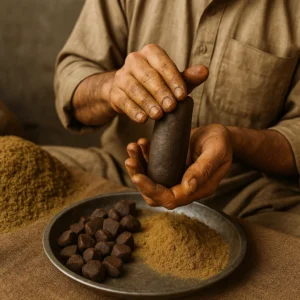
Skilled hands shaping fresh resin into a dense cylinder of traditional imported hash.
The Human Element
What sets imported hash apart isn’t just its process — it’s the people behind it. In many hash-producing countries, resin collection is a cultural tradition, not a commercial industry. Families, not factories, make it.
Each piece represents generations of skill, care, and patience. When you buy imported hash, you’re supporting artisans who’ve spent decades perfecting their method — not machines running on a timer.
That’s why imported hash carries a warmth and authenticity that lab-made extracts can’t match. It’s handmade, handcrafted, and human in every way.
Final Thoughts
Imported hash is more than just a cannabis product — it’s a living tradition that connects continents and cultures. From the sun-baked farms of Morocco to the cool mountain valleys of Afghanistan, every slab and sphere carries the fingerprints of craftsmanship and history.
It’s slow-made, pure, and balanced. It doesn’t chase THC percentages or flashy branding; it delivers something more meaningful — flavor, smoothness, and a connection to the roots of cannabis itself.
Whether you’re rolling a joint of Moroccan Blonde, pressing a bit of Red Beqaa Hash, or unwinding with Temple Ball Öm, each puff tells the same story — centuries of craftsmanship still alive today.
At HashMOM, that tradition continues — delivering authentic imported hash to Canadian customers who value real taste, real texture, and real history.
Ready to Upgrade Your Stash?
Stop gambling on low-grade knock-offs. HashMOM is Canada’s trusted source for authentic imports and premium craft concentrates. Shop our full selection today with fast, discreet shipping.